When was the last time you truly played?
Not scrolled on your phone. Not watched television. Not ticking something off your to-do list. Actually played.
As children, we spend years being encouraged to explore, imagine, experiment and make mistakes. We build dens, invent games, paint pictures, ask impossible questions and somehow learn an extraordinary amount along the way. Yet somewhere between adulthood, careers and responsibilities, play quietly disappears. We become productive, efficient and organised, but often far less curious. And learning through fun is something that perhaps gets preached instead of taught.
A recent investigation by Nord Anglia Education explored exactly this idea, asking adults when they had last truly played. Many of us spend our days moving between work, household responsibilities, and routines with very little time left for curiosity, creativity, or simply doing something because it is enjoyable. Yet these are often the moments that encourage us to think differently, solve problems and connect with others.
The irony is that educators have long understood something many adults forget: play is one of the most effective ways to learn.
This doesn’t mean classrooms are filled with toys and games. Educational play is much broader than that. It is experimentation. It is asking questions without already knowing the answer. It is trying something that might not work. It is discovering rather than simply being told.
This philosophy is reflected throughout the International Baccalaureate programmes. While the word “play” is not a formal part of the IB Learner Profile, many of its attributes naturally encourage playful learning. Being an inquirer means asking questions. Being a thinker means exploring different solutions. Being open-minded, reflective and willing to take risks all require curiosity, imagination and confidence to try something new.
Perhaps that’s why we remember the lyrics to a song after hearing it only a handful of times, yet struggle to recall information we spent weeks trying to memorise. Experiences that are enjoyable, active and emotionally engaging tend to stay with us.
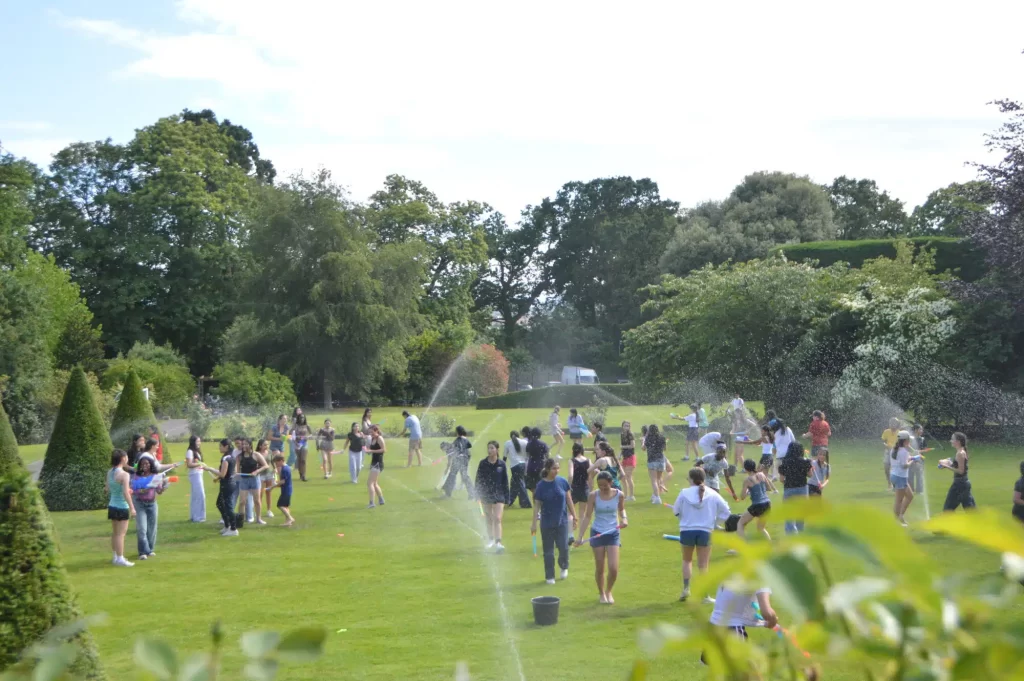
Some of the most memorable moments of the year are those when students and teachers learn alongside each other differently. Whether it is the end-of-term water fight, where staff are just as likely to get as soaked as the students, or the House Music competition, where teachers enthusiastically join student-led choreography, these moments strengthen relationships, build confidence and create a culture where learning feels joyful.
Of course, academic rigour remains essential. Knowledge, discipline and perseverance will always be central to education. But what are those without play, in many cases, they are strengthened by it.
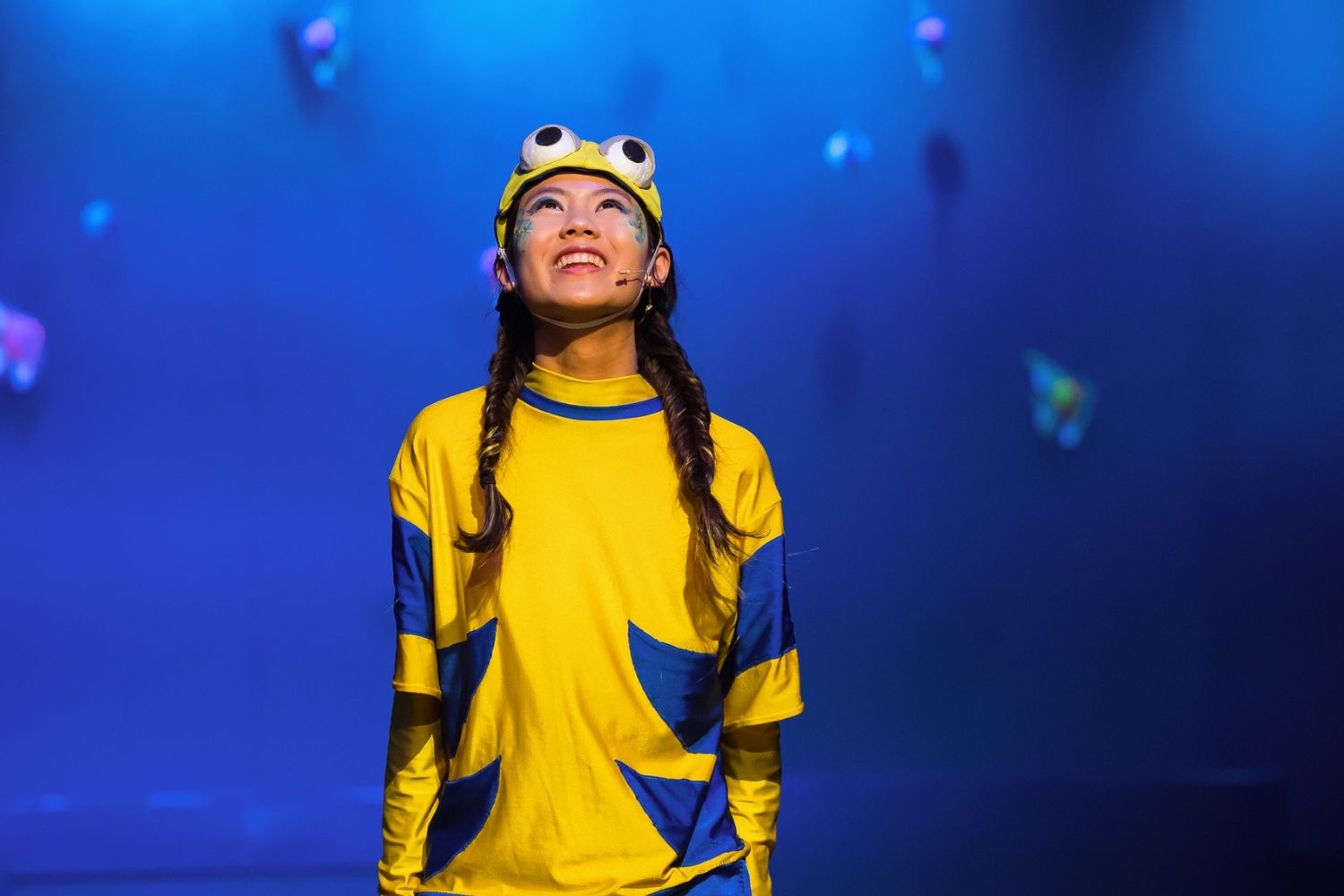
At Marymount International School London, this philosophy is visible every day. While the International Baccalaureate may not explicitly describe this as “play”, many of the qualities it develops rely on exactly the same mindset: curiosity, creativity, collaboration, reflection and the confidence to take intellectual risks.
Learning through play is not about making education or life easier. It is about making it more meaningful.
And as adults, that is definitely worth remembering too.